What a commercial construction lead actually is
A commercial construction lead is information about a project — new construction, an addition, a tenant fit-out, or a renovation — that a subcontractor could bid. In practice, the word covers a wide range: a full bid invitation with drawings attached is a lead, and so is a one-line permit record with a building address and nothing else. The value is not in the label; it is in how much the lead actually tells you and how current and reliable that information is.
For a subcontractor, the useful question is never just "is there a lead?" It is "is this a project my trade can win, in my market, with enough runway and detail to bid it well?" Everything below is built around answering that question quickly.
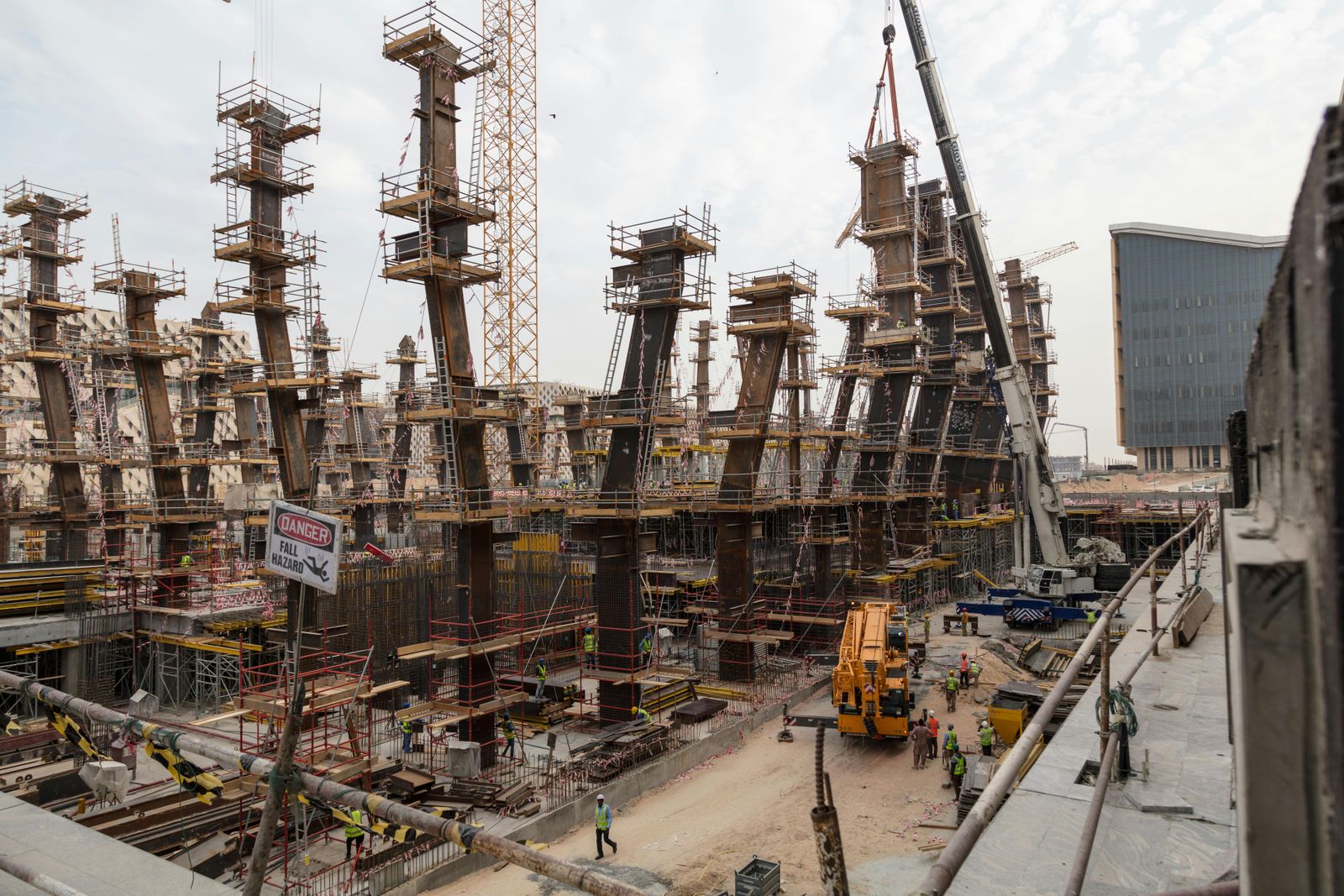
The stages a project moves through
Commercial projects move through predictable stages, and leads appear at every one. Knowing the stage tells you how much to trust the scope and how much time you have:
- Planning. An owner has a project in mind and possibly a budget. Scope is loose and dates slip. Useful for relationship-building, not for pricing.
- Design. An architect is producing drawings. Trade scope firms up as the documents progress from schematic to construction documents.
- Bidding. The project is out for bid with a documented scope and a due date. This is where most subcontractors want to be.
- Preconstruction and construction. The team is selected and buying out scopes. Late-stage change orders and second-tier packages can still open opportunities.
Where commercial construction leads come from
Every lead traces back to one of a handful of source categories. None of them is best in the abstract — each trades coverage against cost and reliability. This is the map worth keeping in your head:
| Source category | What it surfaces | Strength | Tradeoff |
|---|---|---|---|
| Preconstruction data services | Planning-, design-, and bidding-stage projects, often private | Broad, early visibility across many projects | Subscription cost; you still have to qualify and chase each project |
| GC plan rooms & bid boards | Invitations and documents from general contractors bidding the work | Real, bid-ready scope with documents attached | Limited to the GCs you know or are invited by |
| Public procurement portals | Government and institutional projects the agency advertises online | Free to access where advertised, with transparent rules | Public work only; compliance requirements vary by jurisdiction and funding |
| Building permit data | Filed permits indicating permitting activity | A possible early signal of upcoming work | A permit is not proof of funding, timing, or bid availability; you verify the rest |
| Lead aggregators & resellers | Contact lists and project records sold in bulk | Volume and immediate contacts | Freshness and accuracy vary widely; verify before you trust |
Public procurement is one category many subcontractors can search without a commercial data subscription. Federal opportunities are advertised on the U.S. government's System for Award Management (SAM.gov), and many states and large cities run their own bid portals — though posting rules, thresholds, procurement methods, registration, and access vary by jurisdiction, so coverage is uneven. Building permit records are public in many jurisdictions and are published by the local building department; a permit shows permitting activity, not a confirmed, funded, or biddable project. Our guide to free construction leads walks through these public sources in detail.
What a useful lead should tell you
Regardless of source, a lead earns your time when it answers a specific set of questions. Treat this as editorial criteria — the bar a project record should clear before it is worth opening the plans:
- The project and stage. What is being built, and whether it is in planning, design, bidding, or preconstruction — the stage tells you how firm the scope is.
- Scope tied to your trade. Enough of a scope description to tell whether your work is actually in it, not just a building type.
- Location and delivery method. Where the work is, and whether it is design-bid-build, CM-at-risk, or design-build — each changes who you bid to.
- Who to reach and how. The general contractor or owner running the bid, and a legitimate way to get on the bid list or request documents.
- Timing. Bid date, and ideally the anticipated construction start, so you can tell whether it fits your backlog.
- Source and confidence. Where the information came from and how current it is, so you can weigh it before spending hours on it.
How to judge fit before you spend a bid
Bidding is expensive. A serious commercial bid can cost days of estimator time, so the first read is a filter, not a formality. Run every lead through the same short test before you commit hours to it.
For a fuller field checklist you can apply lead by lead, see how to evaluate construction leads before you bid. If your problem is upstream — not enough leads in the first place — start with how to get construction leads.
What a lead does not prove
A lead is a starting point, not a guarantee. Even a well-documented bidding-stage project does not prove the job will be funded on schedule, that the general contractor will invite your company, or that the eventual award will be profitable. Treat every lead as a hypothesis to verify: confirm the project is real and current, confirm your scope is genuinely in it, and confirm you can reach whoever controls the bid list before you invest estimating time.
Subcontractor Leads is prelaunch. There are no live opportunities or verified contacts on this site yet; this page is educational, and the examples above are illustrative.